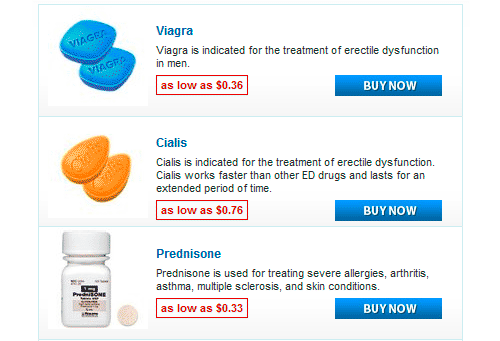

Pill color isn’t arbitrary; it often indicates the drug’s active ingredient or dosage. For instance, a white tablet might contain acetaminophen, while a pink one could be an antibiotic. However, remember that color alone is insufficient for identification. Always confirm with a pharmacist or refer to the prescription label.
Variations in Shade and Hue
Slight variations in color within a specific medication’s range are normal due to manufacturing processes. These minute differences shouldn’t cause concern. However, significant changes in color or the presence of unusual spots or discoloration warrants contacting your pharmacist or doctor immediately. This might point to degradation of the drug.
Manufacturer Differences
Different manufacturers produce the same drug, and they might use different coloring agents. Therefore, two pills of the same medication might have slightly different colors, still remaining safe for consumption if obtained through a legitimate pharmacy.
Safety Recommendations
Always check the medication label to confirm the drug’s identity. Never rely solely on pill color for identification. Dispose of outdated or discolored medications properly. Consult your pharmacist or doctor for clarification of any doubts about your medication’s appearance.